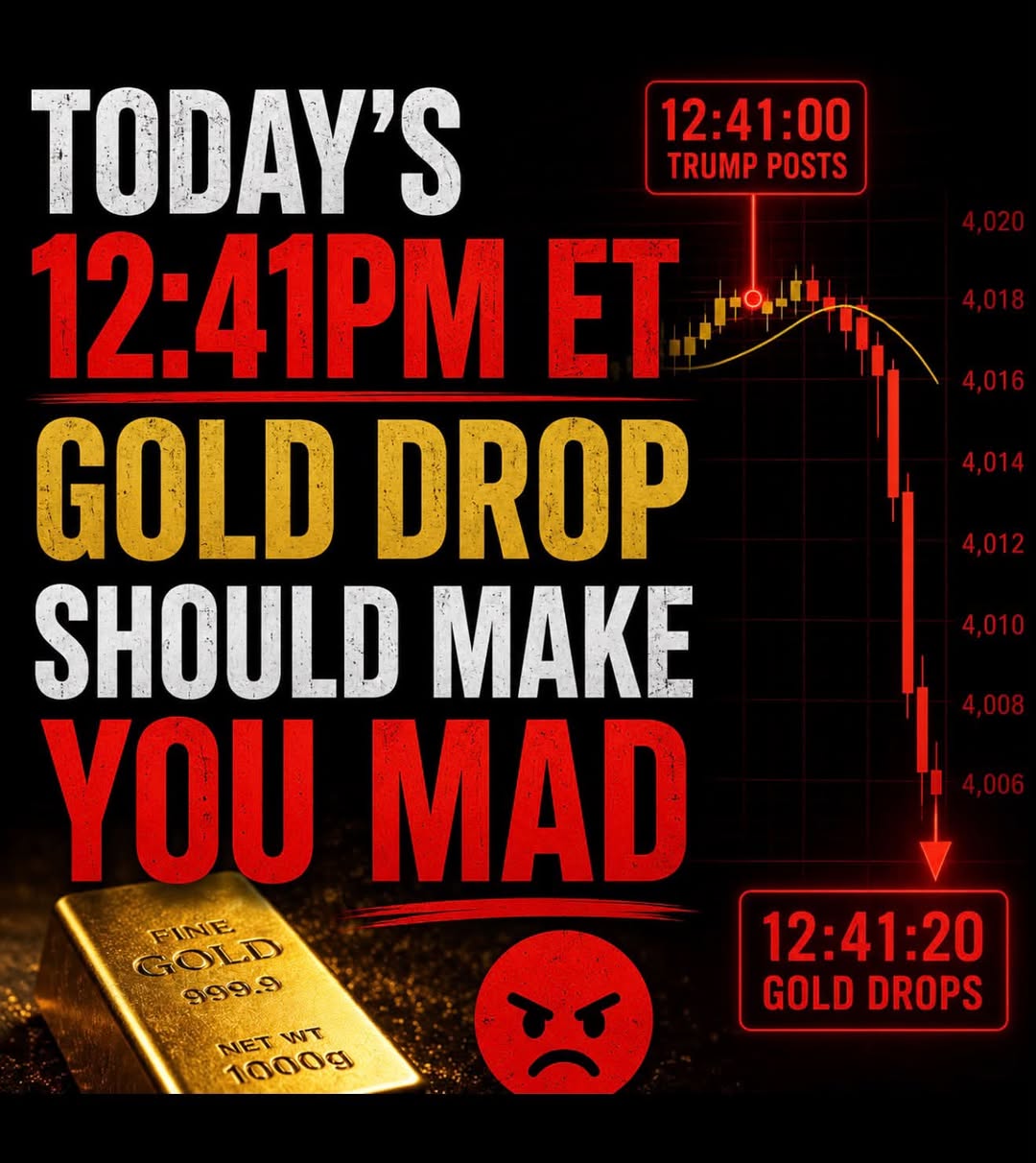
Gold just crossed a line. Not a soft one, not a rumor — a clean, unapologetic $4,000 per troy ounce mark. It hit $4,036 early in the session, extending what’s already been a dizzying, >50 % leap this year.
This is the stuff market legends are made of. But it’s also the kind of move that demands you peel back every layer of exultation and ask: Why now? And how much of this is conviction vs. mass hysteria?
The Anatomy of the Surge
Let’s unpack what’s fueling this run — and what might snap it back.
1. Havens in Demand, Dollar Under Siege
The U.S. government shutdown is stirring extra uncertainty. Markets hate their oracle broken. With key data releases delayed and fiscal dysfunction looming, those seeking a soft place to land are piling into gold.
Meanwhile, the dollar is wobbling. Inflation fears, mounting sovereign debt, and whispers of compromised Fed independence are nudging traders to look for non-yielding but durable stores of value. Ray Dalio’s voice echoes louder: gold as a “safer alternative to the dollar.”
2. Central Banks: Not Just Watching, But Buying
This rally isn’t just public hysteria — it has institutional legs. For three years running, central banks have purchased ~1,000 tonnes of gold annually, and 2025 is shaping up to be another banner year.
These aren’t momentum traders. They’re sovereign reserve managers, diversifying away from dollar exposures, hedging geopolitical risk, and attempting to future-proof national balance sheets. Michael Haigh of Société Générale remarked that “price insensitive central bank buying” is a consistent engine underneath this move.
A 2025 World Gold Council survey backs the trend: 76 % of central banks expect to increase their gold holdings over the next five years; nearly three-quarters expect to reduce dollar reserves.
3. ETF Inflows & Public FOMO
Gold ETFs are eating up capital like there’s no tomorrow. Over the past weeks, inflows have been enormous, and the pace is breaking records.
These vehicles make gold accessible to regular investors (and quant funds), letting capital cascade in. And once momentum is visible, FOMO feeds itself. It becomes comedic, in a tragic way: people buy gold because gold is going up — not necessarily because of fresh fundamental insight.
Ross Norman, veteran trader, warned of the “parabolic nature of the move, without a pause for breath.”
Gold’s motley history is full of numeric milestones at times of chaos. $1,000 in the crisis years, $2,000 in COVID panic, $3,000 ahead of tariff shockwaves — and now $4,000 in a storm of fiscal, monetary, and political uncertainty.
What Can Go Wrong? (And When)
None of this is “it’s different this time” proof. Overshoot is real. The crowd is always a double-edged sword.
- Real yields rebound / rate surprises: If central banks tighten unexpectedly, gold’s lack of yield becomes a liability.
- Dollar correction: A forced flight back to the U.S. currency — or even a strong technical bounce — could spook leverage and fast money.
- Sentiment shift: When gold becomes the “everyone owns it” asset, it’s closer to peak “story.” The better trades often come after the mania.
- Interruptions in chain flows: ETF outflows, shift of capital into alternative hedges, or fading central bank appetite could all sap momentum.
Goldman Sachs now targets $4,900/oz, up from $4,300, citing continued central bank buying and ETF strength.
Other institutions (HSBC, UBS) are more cautious but still bullish.
What This Means for You (Trader, Speculator, Hedger)
- Don’t confuse headline numbers with staying power. Enter with a plan, guardrails, and the humility to recognize you might be entering too late.
- Watch central bank reports, gold reserve disclosures, and ETF flow data harder than macro narratives.
- Use gold as a hedge, not a pure bet. Let it sit in your portfolio as insurance, not your only missile.
- Keep eyes on real rates and confidence in monetary policy stability — those may be the handbrakes that reset the move.
- Don’t be shy about taking profits. In moves like this, it’s better to leave something on the table than cling like a debtor on payday.
Final Word
Gold breaking $4,000 isn’t just a headline — it is a warning signal. It says: the system is under stress, the faith in conventional stores of value is eroding, and capital is hunting for alternative oxygen in thinner air.
Yes, fundamentals are backing it. Yes, capital is piling in. But gold doesn’t care about your logic or your conviction. Whether this becomes a multi-year secular bull run or one for the record books rests on what happens after the euphoria.
You want to ride this? Do so with respect, not hubris. Stay nimble. Because when one of those crowd trades turns on a dime, you don’t get a refund.